
Songkran, or the Thai New Year, is more than just a water festival — it’s a celebration of renewal, family blessings, and spiritual cleansing.
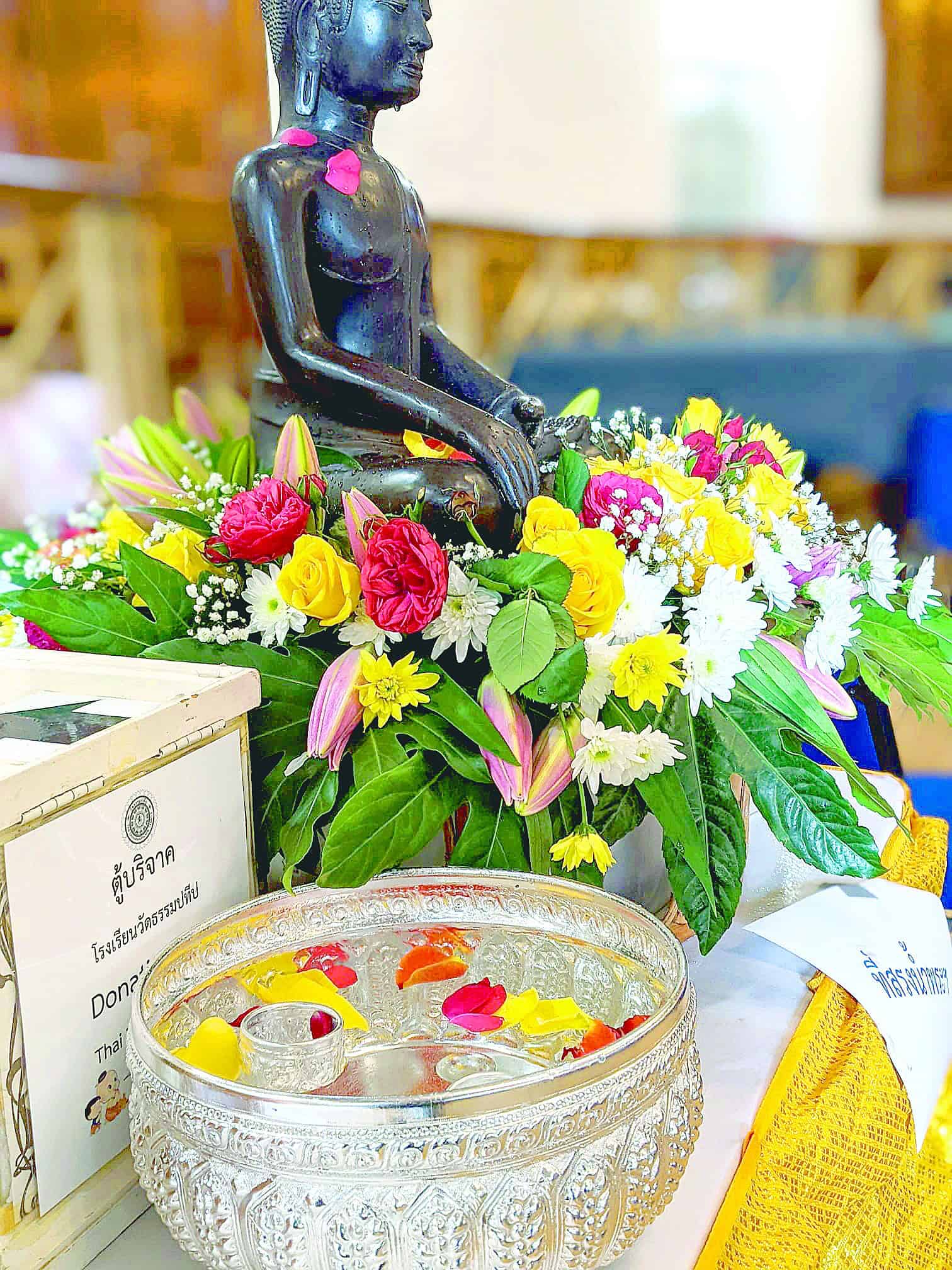
While most people associate Songkran with playful water fights and street celebrations, my Thai New Year in Scotland turned out to be something entirely different — quiet, meaningful, and deeply rooted in tradition.
🪷Introduction | A Different Kind of Songkran4
Most people associate Songkran, the Thai New Year, with playful water fights and wild street celebrations. But over the years, I’ve come to know a quieter, more heartfelt side to this festival — one filled with rituals, blessings, and the delicate scent of jasmine water.
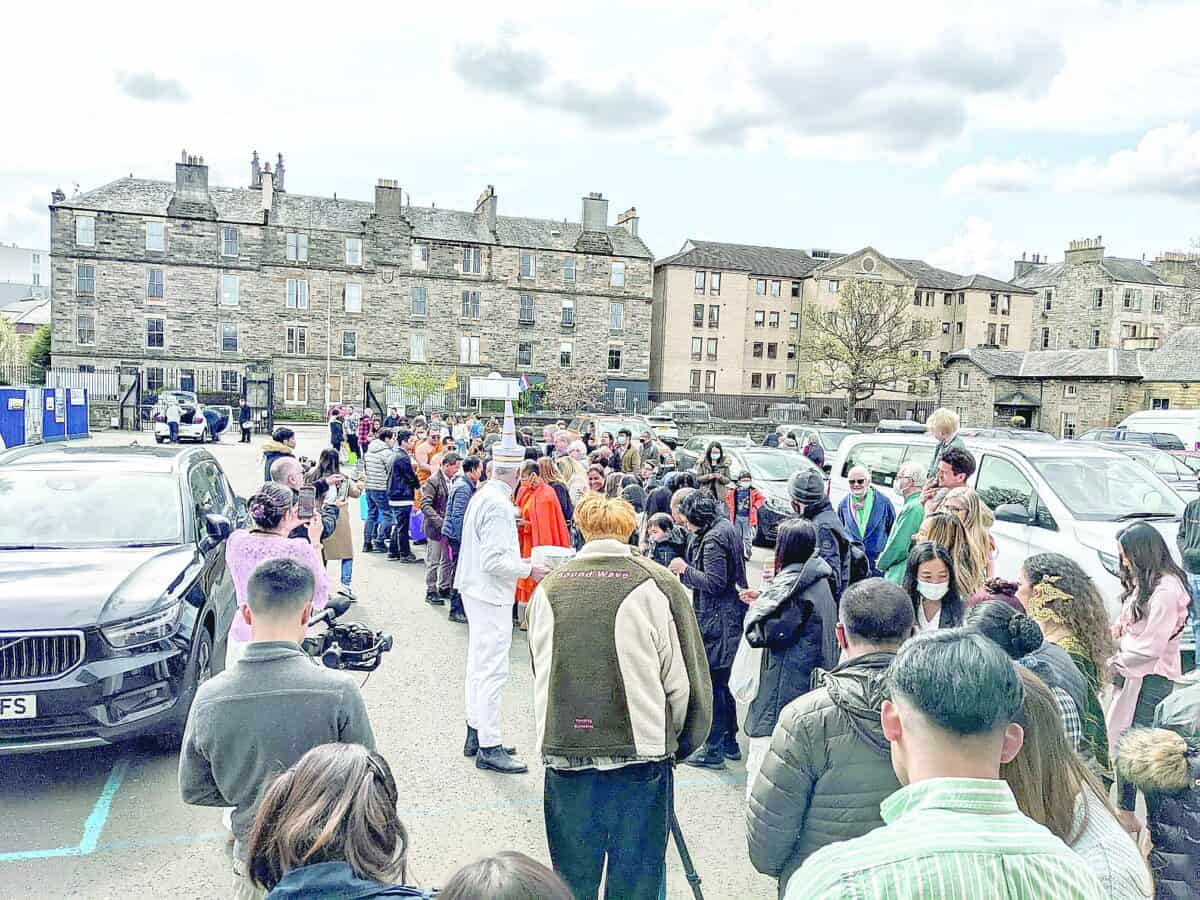
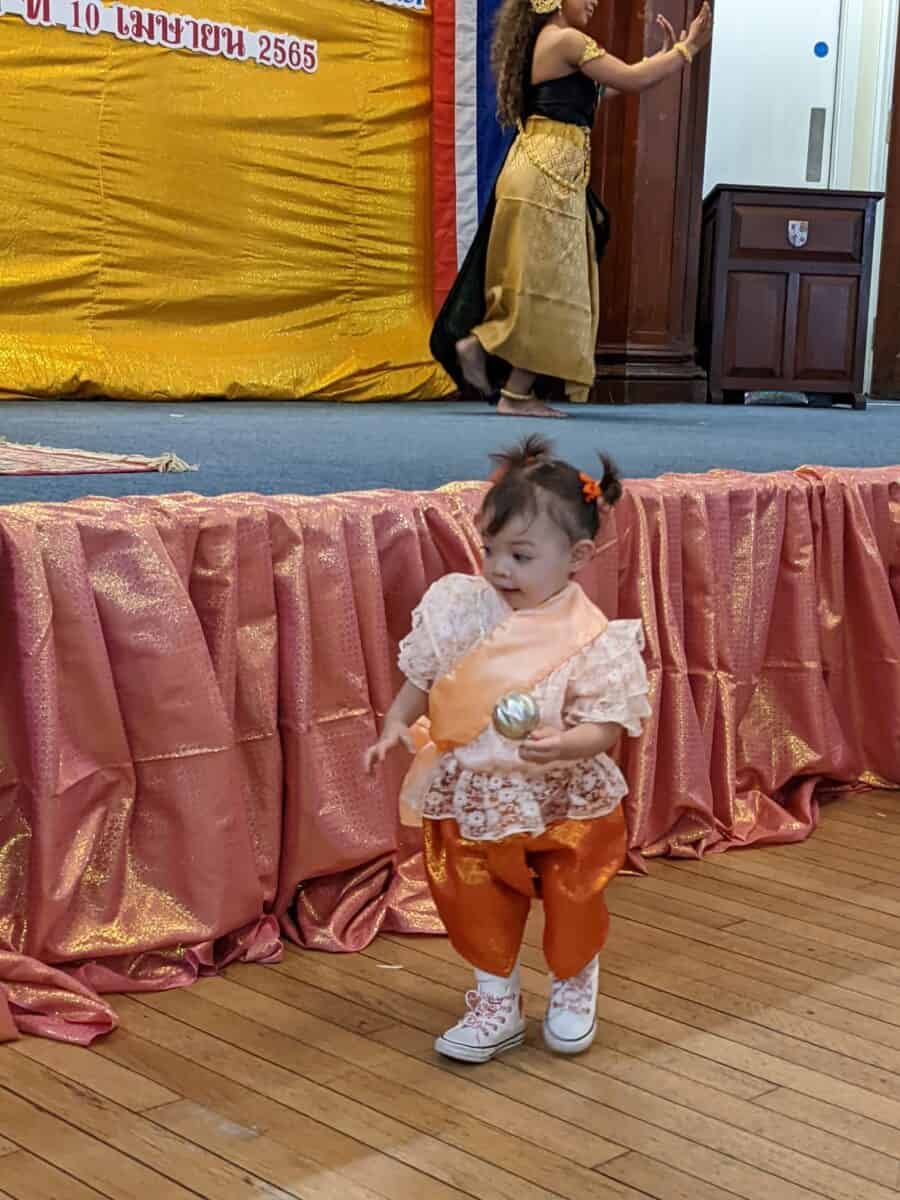
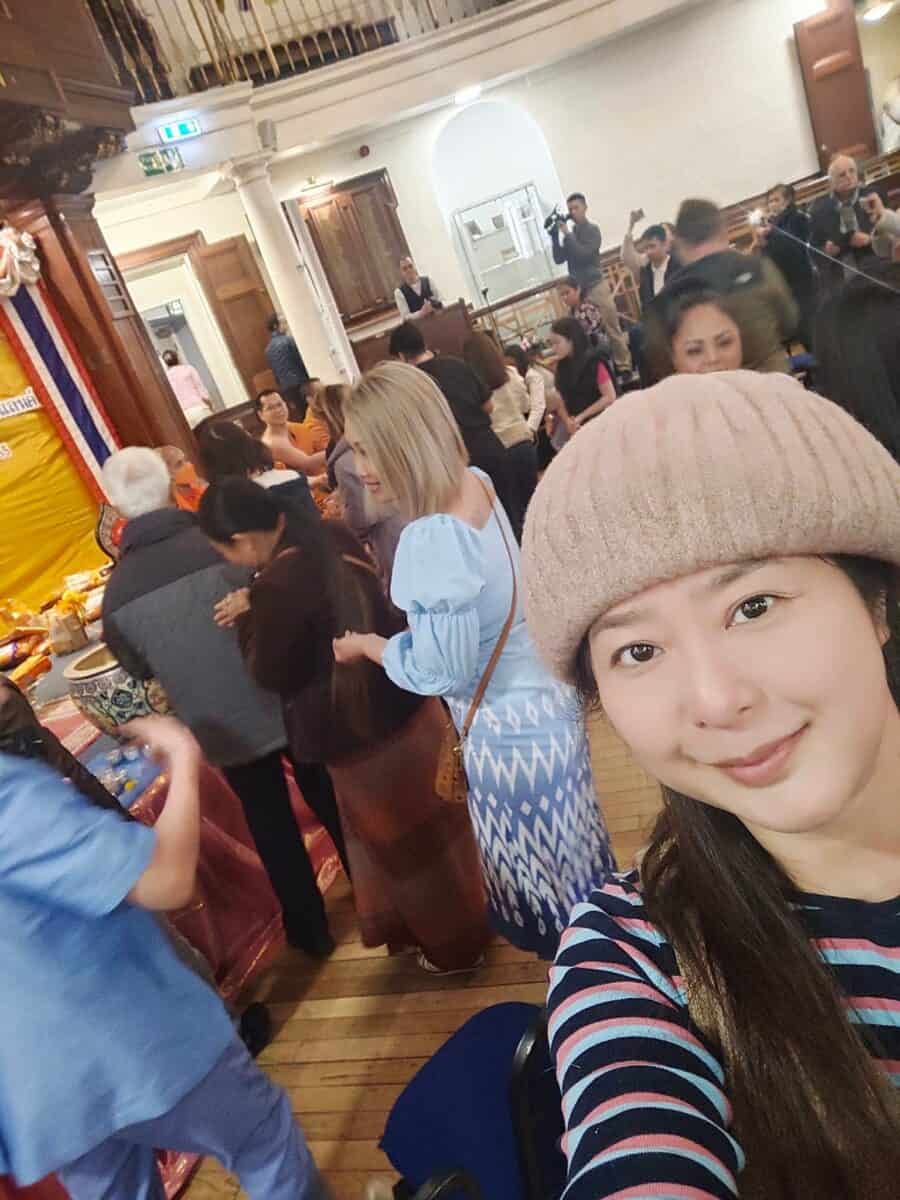
A few years ago, I experienced my first Songkran in snowy Edinburgh. It was also my first time celebrating this special festival far away from home — and yet, somehow, I felt even closer to the spirit of the tradition than ever before.
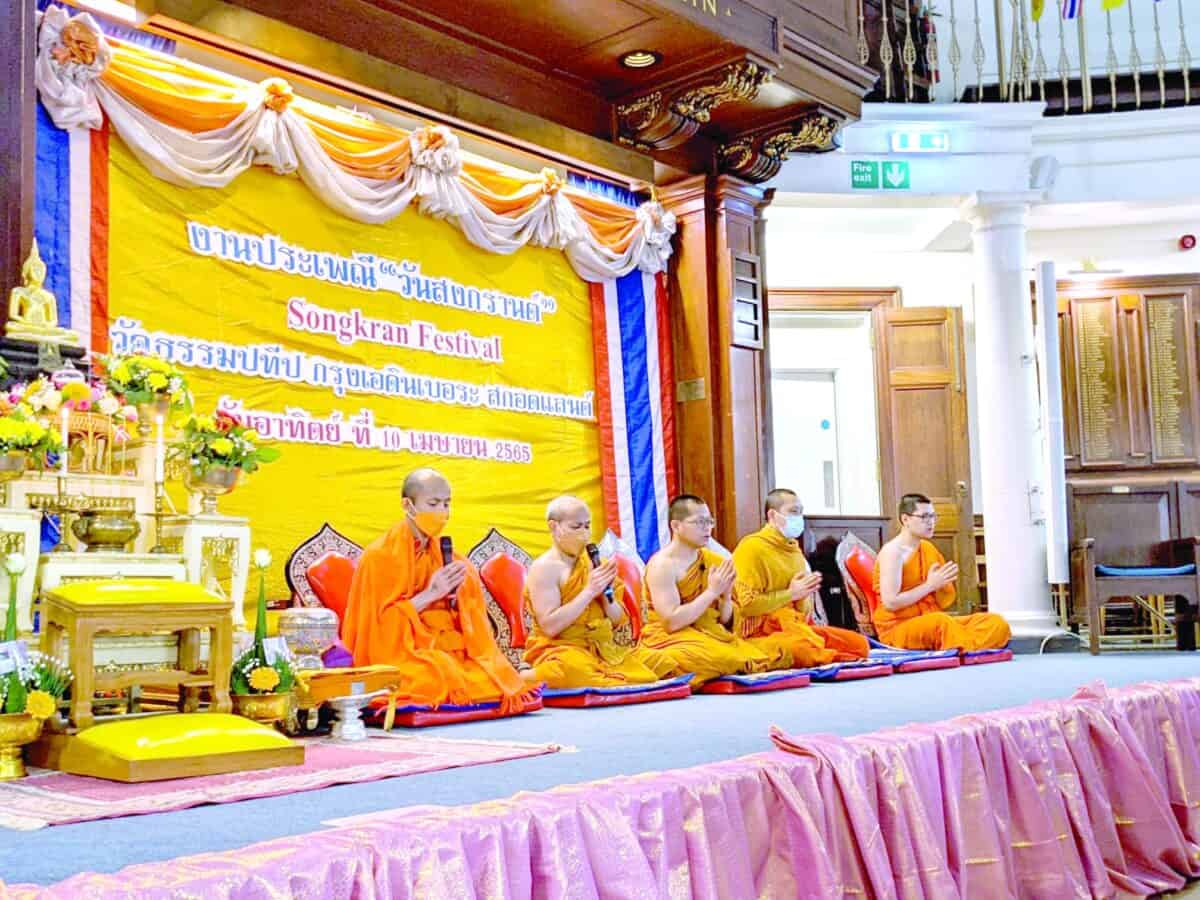
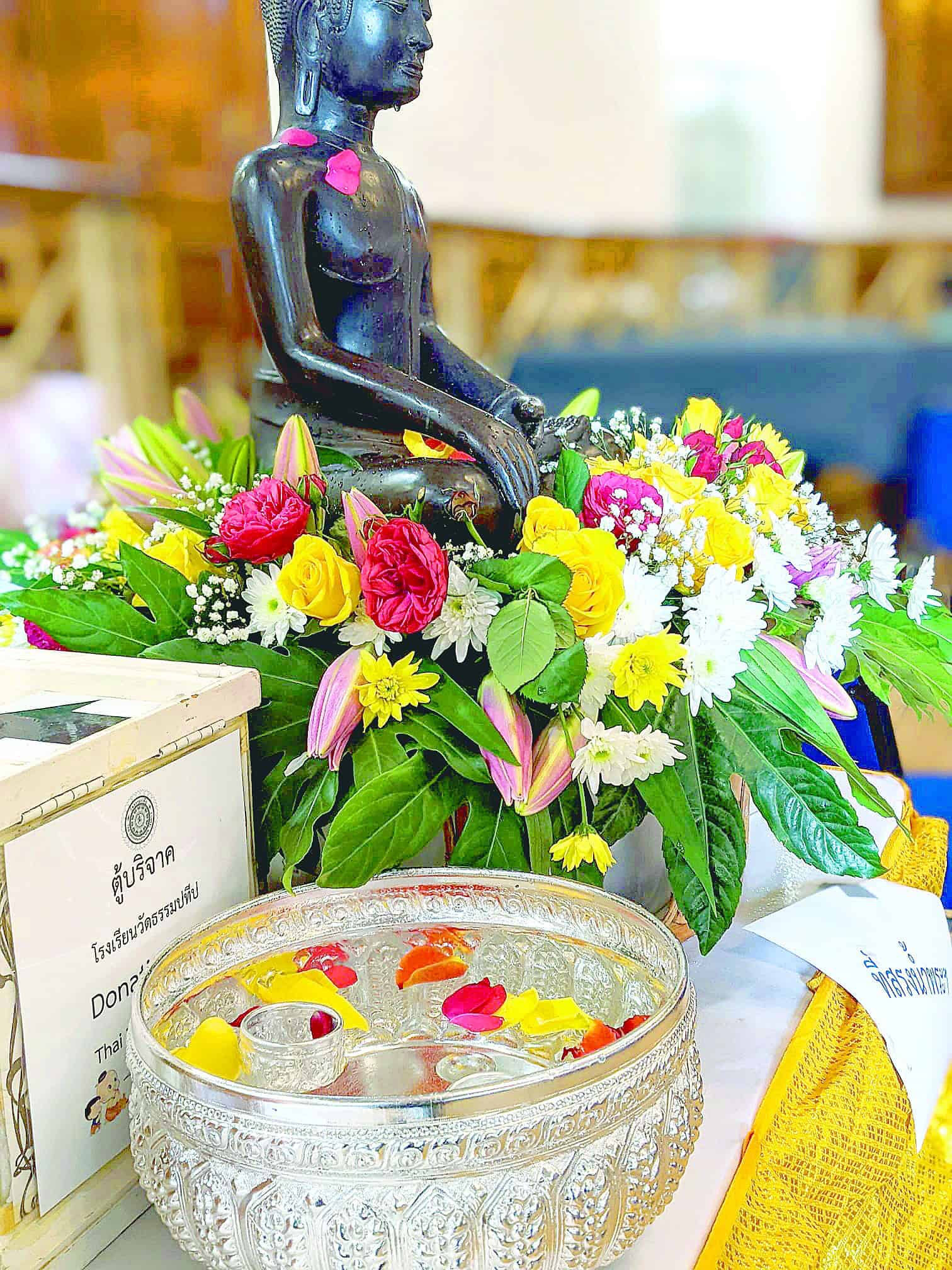
Since the weather was freezing cold, there were no water fights, of course. Instead, we gathered with a small Thai community to share home-cooked dishes, chant prayers, and gently bathe a Buddha statue with floral water. The fragrance and rituals brought me right back to the new years I used to spend with my family in Thailand. Closer to the spirit of the tradition than ever before tradition than ever before.
📿 Day One | Bathing the Buddha & Offering Blessings
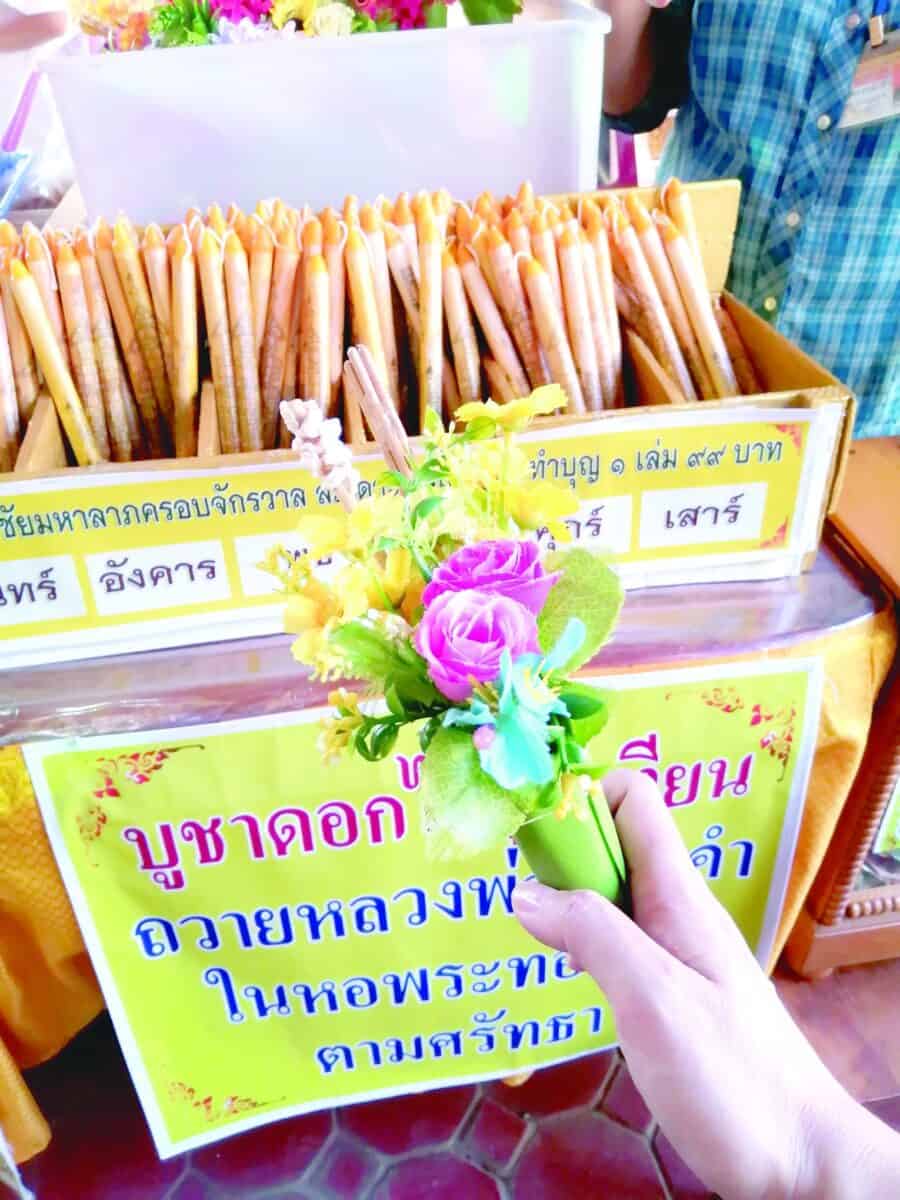
Songkran officially begins on April 13th, often called Wan Sangkhan Long, or Buddha bathing day. Early in the morning, many Thais start by bathing and cleansing themselves, followed by visits to the temple with offerings — traditionally fresh flowers and floral-scented water, rather than incense or food.
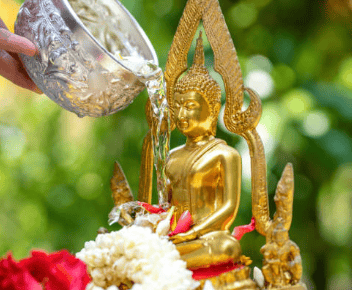
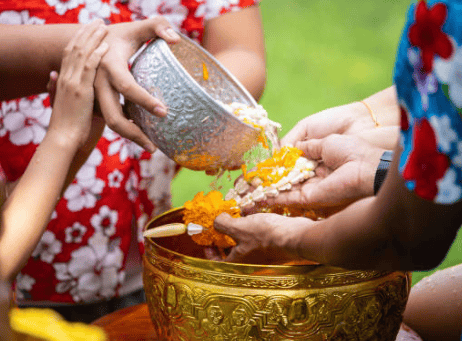
At the temple, families pour water gently over Buddha statues as a symbolic act of purification and renewal. Monks chant blessings, and in traditional homes, elders pour water over the shoulders of loved ones to pass on blessings for the year ahead. It’s a moment of deep calm, respect, and connection.
👣 Day Two | Water-Pouring Rituals at Home
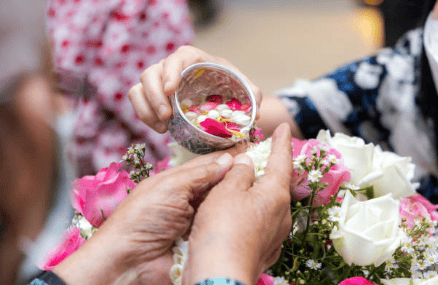
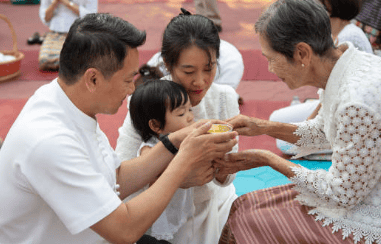
The second day of Songkran is often celebrated as Family Day, a time to express gratitude and seek forgiveness from parents and elders.
Children rise early, bathe again, and kneel respectfully in front of their parents with a silver bowl of floral water. Gently pouring the water over their parents’ hands or feet, they ask for blessings and offer apologies for any wrongdoings in the past year. This intimate ritual is one of the most touching moments of the festival — quiet, humble, and filled with love.
🛕 Day Three | Visiting Temples & Building Sand Pagodas
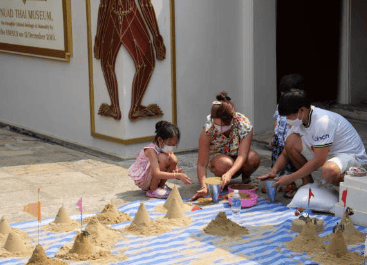
The third day is traditionally spent visiting local temples as a family. In Thai culture, this isn’t just a spiritual practice — it’s a way to begin the new year with mindful intention.
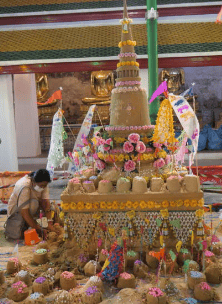
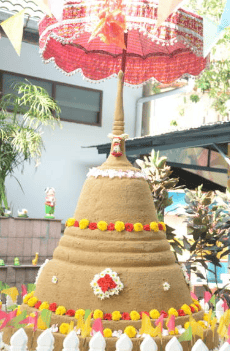
Men bring colorful flags attached to small donations, which they place around the temple grounds. Women carry sand, often gathered ahead of time, to build small pagodas in the temple courtyard. This practice is both symbolic and beautiful — returning the sand that one may have carried away on their feet throughout the year, and offering it back in a creative, graceful form.
Children and young women often decorate the sand pagodas with flowers, colored paper, and incense sticks — turning it into a quiet yet joyful celebration of renewal.
💧 The Meaning of Water | More Than a Splash
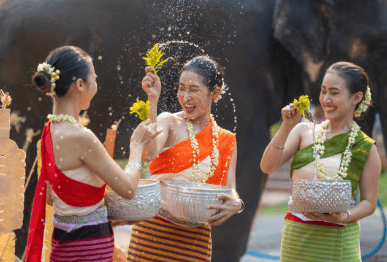
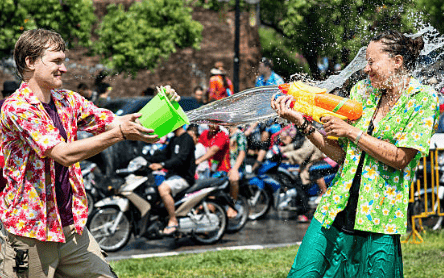
While the most visible part of Songkran — especially to tourists — is the spirited water fights in the streets, the true essence of the festival lies in what water represents.
In Thai and other Southeast Asian cultures, water is a symbol of purification, forgiveness, and blessing. Pouring water over elders and Buddha statues, or simply over one’s own hands, is a deeply meaningful act — it signifies washing away the misfortunes of the past year and entering the new one with clarity and grace.
❄️ Songkran in Scotland | Cold Hands, Warm Heart
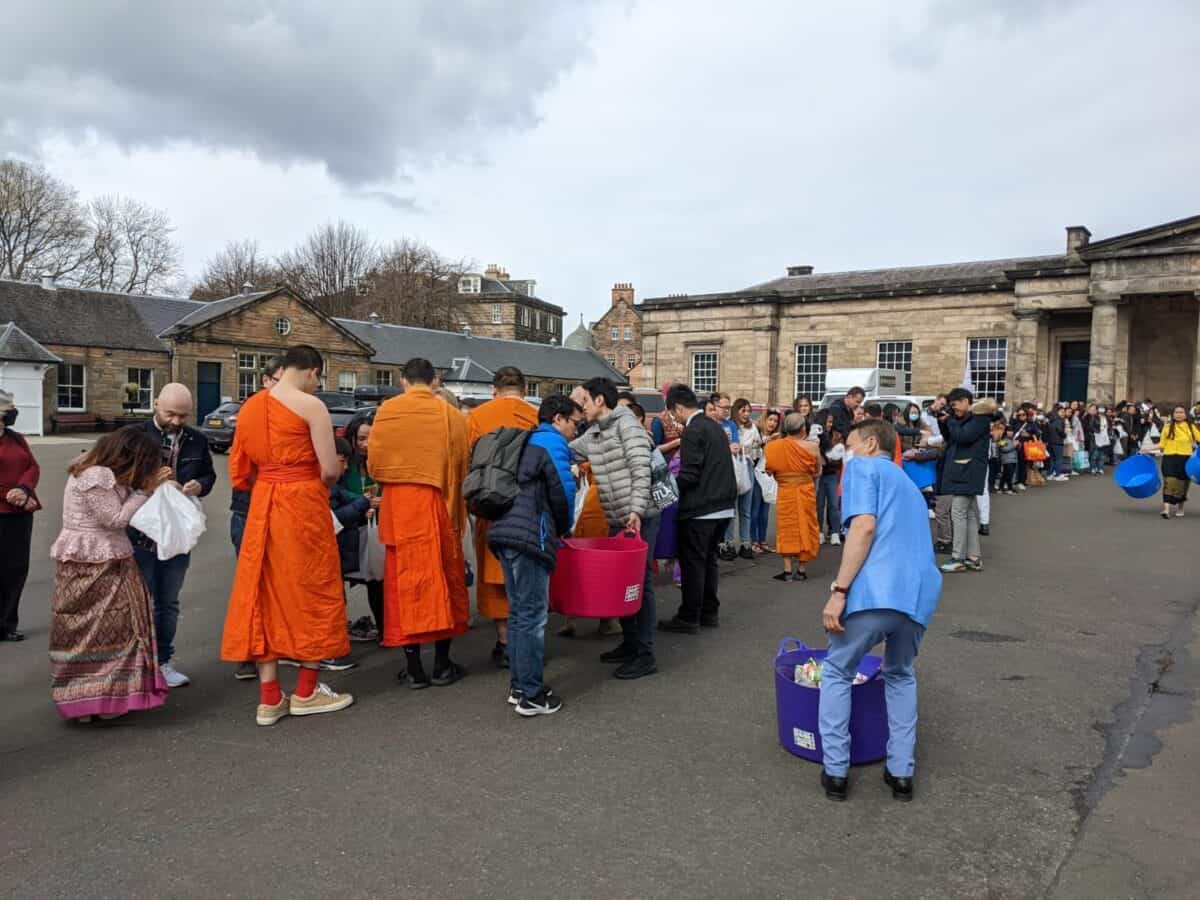
Celebrating Songkran in Edinburgh was different — no heat, no street celebrations, no traditional temple bells echoing in the distance. And yet, as I stood in a small hall filled with the scent of jasmine, surrounded by Thai voices and kind smiles, it felt unmistakably like Songkran.
There was warmth in the shared food, in the laughter that filled the room, and in the soft sound of water being poured over a small Buddha statue. Despite the cold outside, I felt deeply connected to the traditions I grew up with — and grateful to carry them with me, wherever I go.
FAQ – Thai New Year & Songkran
Q: When is Songkran celebrated?
A: Songkran usually takes place from April 13–15 and marks the traditional Thai New Year.
Q: Why do Thai people splash water?
A: Water represents spiritual cleansing and blessing for the year ahead.
Q: Is Songkran only celebrated in Thailand?
A: While it's most widely observed in Thailand, Thai communities abroad also mark it with local gatherings, blessings, and traditional food.
🔗 Want to Explore More?
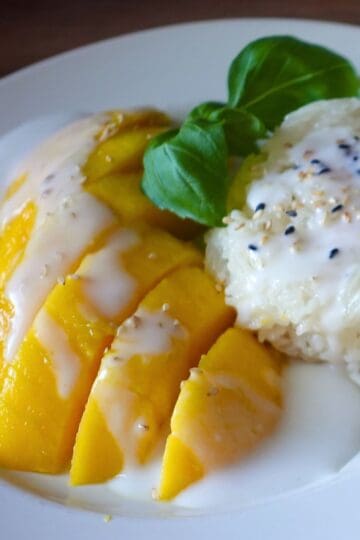
- 🌸 Discover more from Mama Thai’s Recipes - How to make Mango Sticky Rice
- 🌼 HOW to make popular street food KANOM KROK
- 🥕 Curious about vegetable carving? I’ll be sharing more in an upcoming post.
Comments
No Comments